
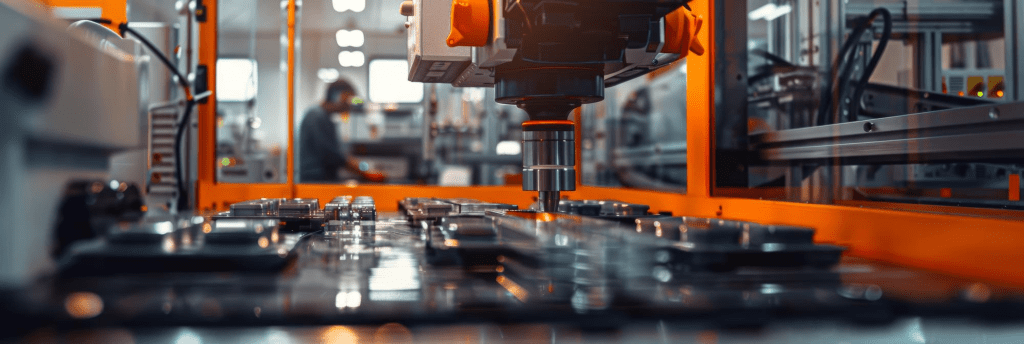
Reduce Your Energy Costs Without Compromising Your Production
We support manufacturers, agri-food facilities, pulp and paper mills, plastics processors, and other industrial environments across Canada with an approach tailored to your process constraints, operational continuity, and decarbonization requirements.
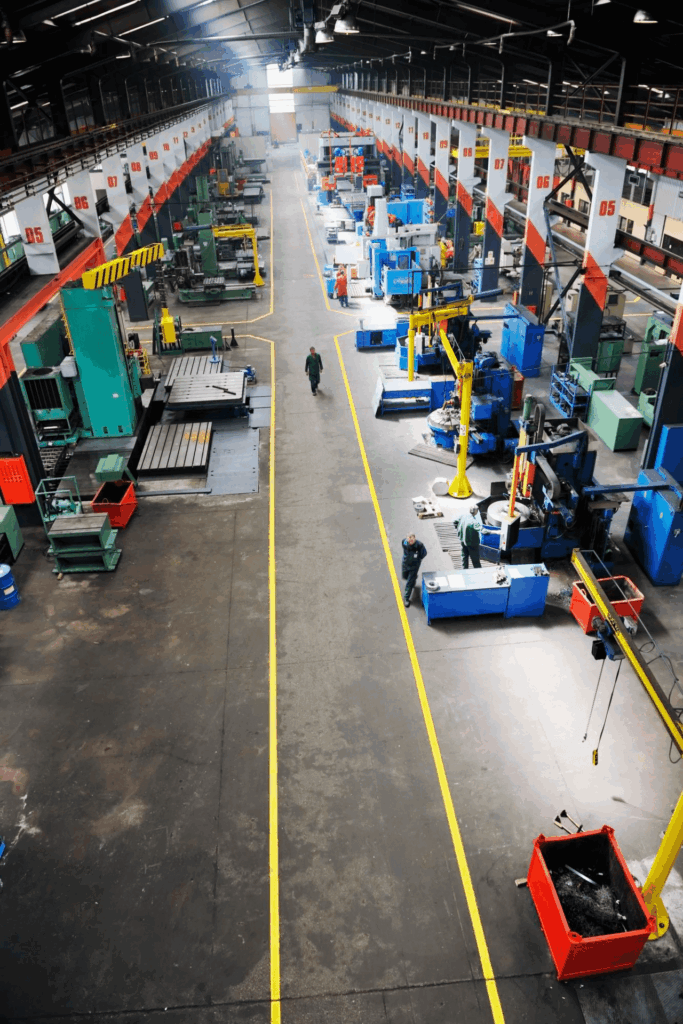
Energy at the heart of your industrial competitiveness
In industry, energy directly impacts production costs, process stability, and site competitiveness. Across Canada, many companies face aging equipment, energy-intensive utilities, hard-to-detect control drift, thermal losses, high peak demand, and growing pressure to reduce GHG emissions.
Added to this are constraints specific to the industrial context: critical processes that must not be disrupted, multiple systems to optimize simultaneously — steam, compressed air, refrigeration, pumping, ventilation — and internal teams that cannot always free up the time to analyze and execute the right projects.
The real challenge: clearly connecting process requirements, energy costs, available incentives, and operational feasibility.
Solutions tailored to your plant’s challenges
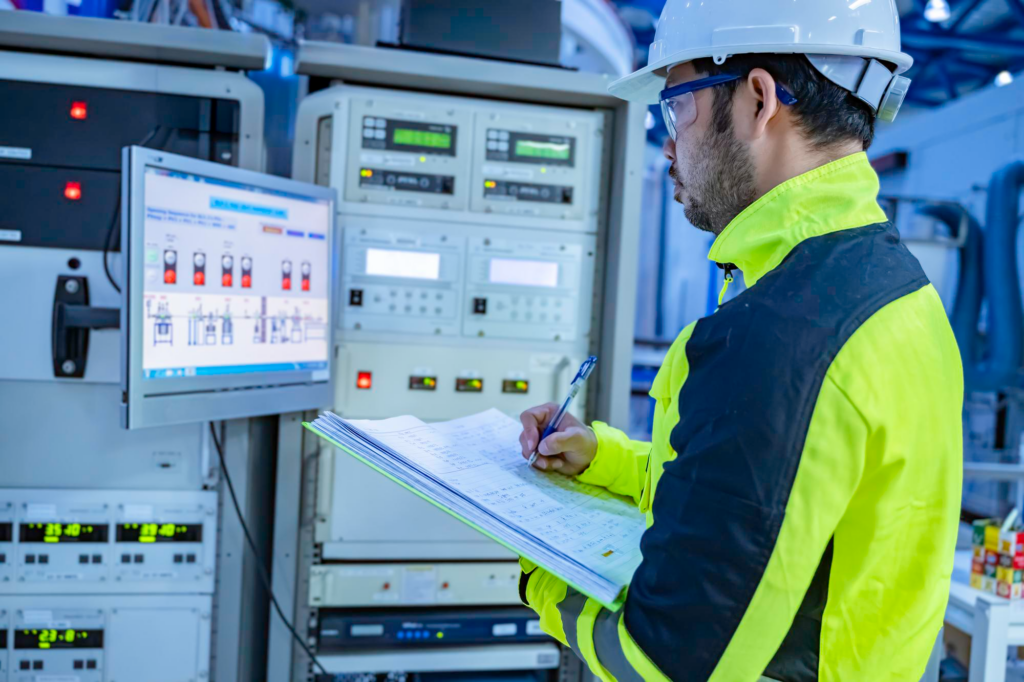
Do you lack visibility into your consumption, or do you want to structure your energy performance over the long term?
We conduct energy assessments, process audits, and implement energy management systems (EnMS) aligned with ISO 50001 principles to turn energy management into a true operational management tool and embed continuous improvement into your operations.
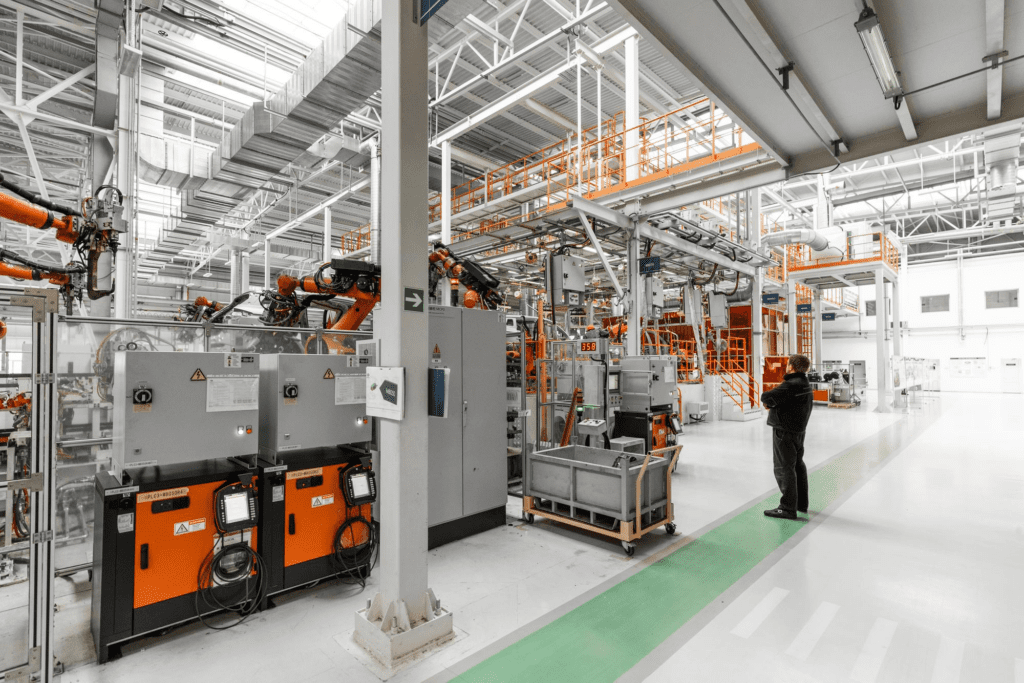
Are your utilities, networks, or equipment consuming too much for the same production level?
We work on your mechanical systems, energy distribution networks, and production equipment to reduce losses, stabilize operations, and modernize aging facilities, with a direct impact on your production and operating costs.

Do you want to move forward quickly without multiplying stakeholders or managing project complexity yourself?
We manage the entire project from A to Z: diagnostics, design, incentives, financing, implementation, and performance monitoring, with a single point of contact and a clear commitment to results.
Measurable gains in cost, efficiency, and carbon trajectory
In an industrial facility, a good energy project must deliver more than reduced consumption. It must also improve operational resilience and strengthen site competitiveness. We help you achieve:
Sustainable reduction in energy cost per unit produced
Measurable reduction in GHG emissions
Better control of power demand and peak demand costs
Reduction in losses, operational drift, and unplanned shutdowns
Greater reliability of critical equipment and processes
Our objective
Turn energy into a driver of industrial competitiveness, with a realistic roadmap that does not disrupt production.
Projects That Deliver Results
Discover projects completed in industrial environments in Quebec: manufacturing, agri-food, pulp and paper, plastics processing, with documented savings and GHG emission reductions.
Do you want to know where the best savings opportunities are in your plant?
Our teams analyze your site, structure a clear roadmap, and transform your energy challenges into a profitable and financeable project.
Q&A
Where should you start to reduce energy costs in a plant?
The right starting point is generally a structured energy analysis of the site, buildings, and targeted processes. This step establishes a clear picture of energy uses, identifies the best savings opportunities, assesses impacts on production, and prioritizes the most profitable projects.
Which energy efficiency projects are most profitable in industrial settings?
It depends on the site, but the most common projects involve optimizing mechanical systems and utilities, heat recovery, modernizing energy distribution networks, improving controls, refrigeration, compressed air, pumping, ventilation, peak demand management, sub-metering, and, depending on context, electrification or other decarbonization measures.
How can energy consumption be reduced without affecting production?
Interventions are designed to fit within process constraints. This involves optimizing control sequences, improving equipment regulation, and rigorously planning the work to improve performance without compromising production.
Is it possible to finance an industrial energy efficiency project without significant CAPEX?
Yes. Certain financing structures allow projects to be funded and the investment repaid through the savings generated. This accelerates implementation without mobilizing a significant upfront budget and preserves the site’s investment capacity for other operational priorities. Our teams can structure the scenario best suited to your financial reality and the available incentives.
How can decarbonization and operational continuity be reconciled in an industrial site?
The right approach is to sequence actions: energy efficiency first, loss recovery, improved control, then energy conversion when the scenario is technically and economically relevant. In industry, decarbonization must always be considered alongside process constraints, energy availability, and peak demand management.
What types of incentives are available for industrial projects in Canada?
Depending on the energy used and the nature of the project, several programs can support analysis, implementation of efficiency measures, peak demand management, energy management systems, or certain industrial decarbonization projects. E’nergys helps you identify the right programs, prepare applications, and secure the financing strategy.