
Turn your thermal losses into sustainable energy savings
Our heat recovery solutions identify and harness wasted energy in your buildings and processes to reduce your costs and accelerate your transition to a low-carbon future.
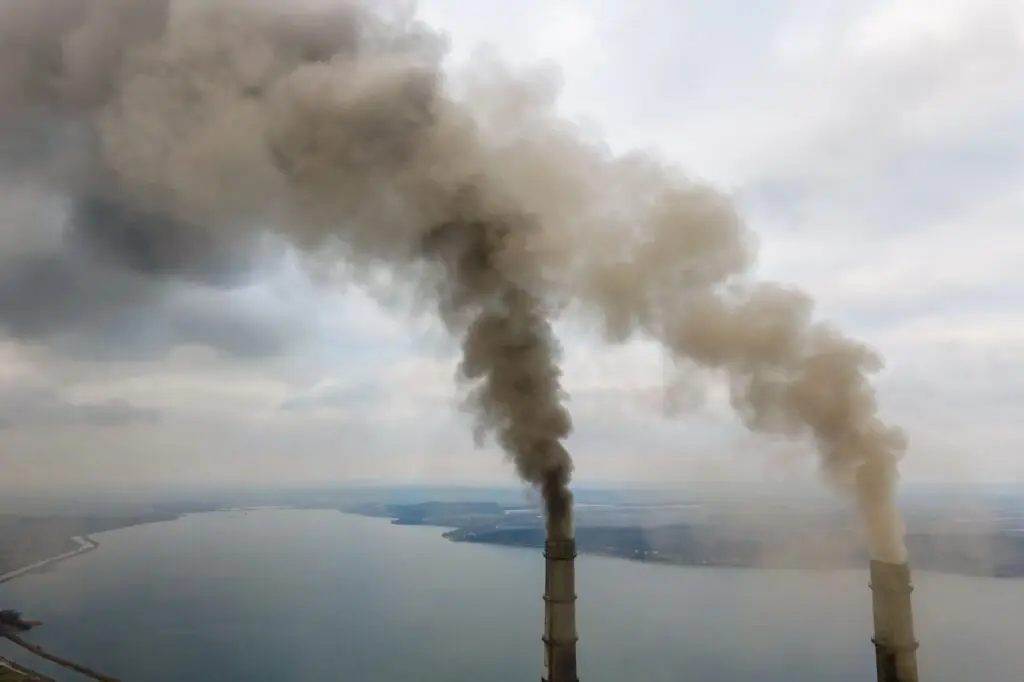
Available energy, ready to be captured and intelligently reused
Heat recovery involves capturing and reusing thermal energy that would, otherwise, be lost from industrial processes, ventilation, compressors, wastewater or other sources. This free energy can then be recovered to heat, preheat or supply other systems.

A tailored solution, from identification to integration
We identify waste heat sources in your building or processes, quantify their potential, and design a custom recovery solution: heat exchangers, hydronic loops, heat pumps, ventilation integration, etc. We also ensure complete integration with the existing system to maximize overall energy efficiency.

Less wasted heat, lower costs and greater energy performance
Significant reduction in heating costs, through the recovery of otherwise wasted energy.
Reduced carbon footprint by decreasing dependence on fossil fuels.
Improved overall energy performance of your buildings and processes.
Attractive return on investment through recurring and predictable savings.
Technical expertise to recover heat and deliver concrete results
Solutions compliant with engineering best practices.
Applied expertise in industrial, commercial and institutional systems.
Use of proven technologies: heat exchangers, heat pumps, etc.
Verifiable energy savings measures in similar projects.
Want to know where your site is losing useful heat?
Our experts can identify waste heat sources in your buildings or processes, quantify their potential and propose a concrete solution to transform this wasted energy into recurring savings.
Q&A
What is heat recovery?
Heat recovery involves capturing and reusing thermal energy that would otherwise be lost, for example, from industrial processes, ventilation, compressors, wastewater or other sources. This heat can then be used to heat, preheat or supply other systems.
What types of heat sources can be recovered?
The most common sources include industrial processes, ventilation systems, compressors, wastewater and other thermal waste present in buildings or facilities.
What do you actually do in this type of project?
We identify waste heat sources, quantify their potential, then design a tailored solution that may include heat exchangers, hydronic loops, heat pumps or ventilation integration. We also ensure complete integration with the existing system.
What are the main benefits of a heat recovery project?
This type of project typically reduces heating costs, decreases carbon footprint, improves the site’s overall energy performance and generates recurring savings that support project profitability.
Is this only relevant for industry?
No. Heat recovery can be relevant in industrial, commercial or institutional contexts, whenever there is a waste heat source that can be usefully recovered.
What types of technologies do you use?
Solutions may include heat exchangers, heat pumps, hydronic loops and other proven technologies, depending on the nature of the thermal source and the intended uses.
Does heat recovery also support decarbonization?
Yes. By reusing already available energy and reducing reliance on fossil fuels for heating, heat recovery directly contributes to reducing the carbon footprint of the building or process.
How can I know if the return on investment is attractive?
The potential depends primarily on the amount of recoverable heat, the stability of the source, heating or preheating needs, and the quality of integration with the existing system. The initial analysis precisely quantifies this potential and documents the expected profitability.
Can a heat recovery solution be integrated with existing systems?
Yes. One of E’nergys’ roles is precisely to design complete integration with the existing system to maximize overall energy efficiency, without creating unnecessary complexity.
Where should I start to know if my site has potential?
The right starting point is a site assessment to identify waste heat sources, measure their potential and determine how this energy could be profitably recovered.