
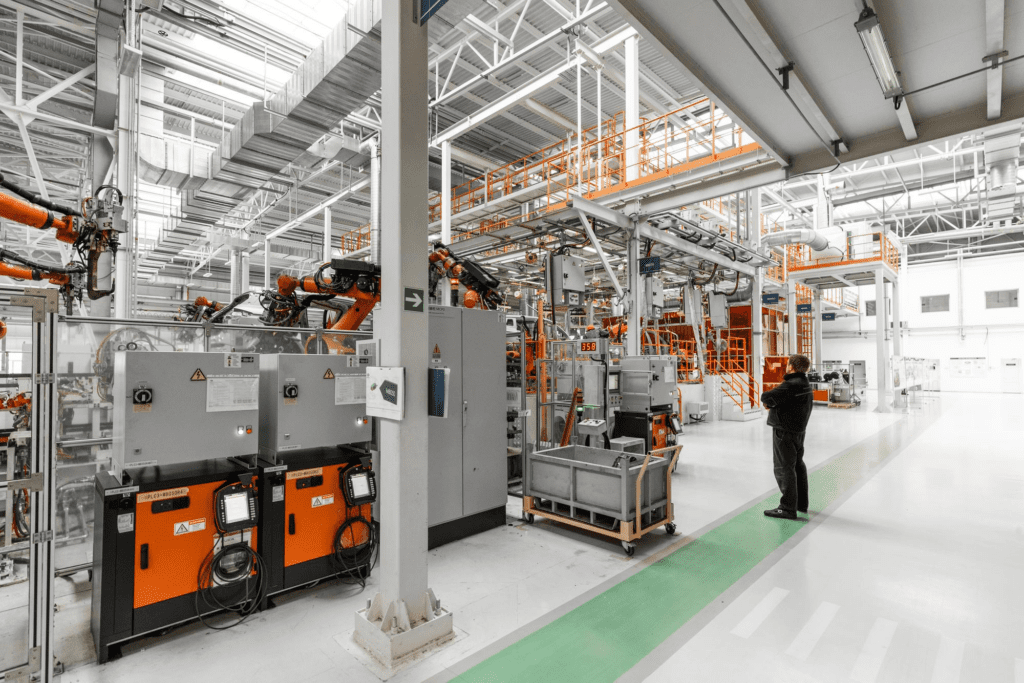
Reduce losses in your networks and improve operational stability
We optimize your energy distribution networks — steam, hot water, chilled water, compressed air and other fluids — to reduce losses, better control flow rates, pressures and temperatures and sustainably improve the performance of your buildings and processes.
More efficient networks to deliver energy where it is needed
Distribution networks — steam, hot water, chilled water, compressed air or other fluids — are central to the energy efficiency of a building or an industrial process. When they are poorly balanced or aging, they generate significant losses. Optimizing them ensures that the energy produced reaches the right places, at the right time, with minimal losses.
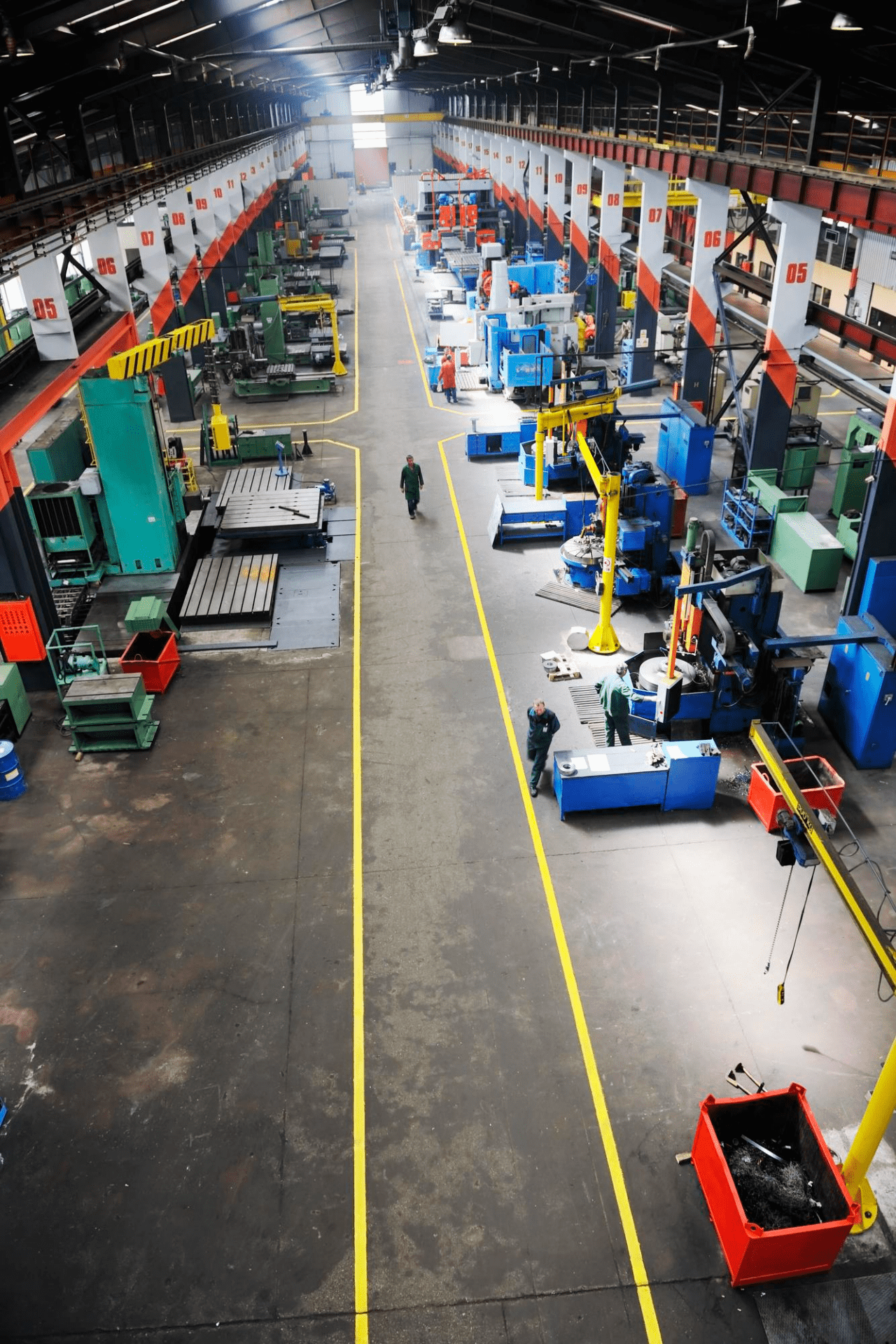
Targeted work on losses, balancing and critical equipment
We audit your networks to measure their actual performance, then correct thermal losses, improve insulation, adjust balancing and modernize critical equipment (pumps, compressors, regulators, heat exchangers). We also optimize control strategies to harmonize distribution between zones and processes, reducing the overall energy load.
Fewer losses, lower costs and more stable operations
Reduction of energy losses
Energy is distributed optimally, without waste.
Lower production and operating costs
More efficient networks mean less energy consumed for the same results.
Improved operational stability
Better controlled pressures, temperatures and flow rates reduce interruptions and variability.
Added value for buildings and facilities
Improved equipment longevity and preparation for complementary technologies such as heat recovery.
Practical expertise in complex energy networks
Optimizations carried out on steam, compressed air, hydronic and other complex systems.
Expertise applied in industries where every energy gain counts.
Concrete results: measurable reduction in losses and documented improvement in operational efficiency.
Want to know where your network is losing energy?
Our experts can analyze the actual performance of your networks, identify the main losses sources and recommend practical optimizations to reduce consumption and improve facility stability.
Q&A
What types of networks can you optimize?
We work on different types of energy distribution networks including steam, hot water, chilled water, compressed air and other fluids used in buildings or industrial processes.
Why optimize an energy distribution network?
When a network is poorly balanced, poorly insulated or aging, it generates significant losses. Optimizing it improves the delivery of the energy produced, reduces waste and improves the overall performance of the building or process.
What do you actually do in this type of project?
We audit networks to measure their actual performance, then correct thermal losses, improve insulation, adjust balancing, modernize critical equipment and optimize control strategies.
What are the main benefits of a network optimization project?
This type of project generally reduces energy losses, decreases operating or production costs, improves operational stability and extends equipment lifespan.
Is this only relevant for industry?
No. These projects are relevant for both buildings and industrial processes, whenever a distribution network plays an important role in the site’s energy and operational performance.
What equipment can be modernized as part of the project?
Depending on the network involved, interventions may include pumps, compressors, regulators, heat exchangers or other critical equipment related to energy or fluid distribution.
Does network optimization also helps operational reliability?
Yes. Better control of pressures, temperatures and flow rates reduces variability, stabilizes facility operations and limits certain interruptions or operational drifts.
Can such a project prepare for other energy improvements?
Yes. Network optimization often lays the groundwork for other complementary technologies, such as heat recovery or other energy modernization projects.
Where should we start to determine whether our network is inefficient?
The right starting point is an analysis of the network’s actual performance. It helps identify losses areas, imbalances and the most problematic equipments before prioritizing the right actions.